

Digital offers speed; Offset offers volume. We break down the cost-benefit analysis for your next print project.
For decades, the print buyer's flowchart was simple: Long run? Offset. Short run? Digital. But as digital press technology advances, the line has blurred. High-end inkjet web presses can now match offset speeds for medium runs, and offset makeready times have dropped. Today, the choice is less about volume alone and more about a nuaced balance of speed, data capability, and finishing requirements.
The Selection Framework
To maximize ROI on your print spend, you need to understand the strategic strengths of each method. Here is how modern print buyers should navigate the decision:
- The Data Requirement: If you need Variable Data Printing (VDP)—where every piece addresses a specific person or features a unique image—Digital is the only choice. Offset cannot do this.
- The Speed of Market: Digital requires zero plate manufacturing. If your file is ready at 9 AM, you can be printing at 9:05 AM. Offset needs hours of setup. For 'need it today' jobs, Digital wins.
- The Pantone Necessity: If your corporate brand guidelines demand a specific Pantone PMS 286 Blue, Offset hits it exactly. Digital simulates it using CMYK, which is often close, but rarely perfect.
- The Tipping Point: Generally, the cost crossover point is around 1,500 to 2,000 pieces. Below that, Digital is cheaper. Above that, the low unit cost of Offset begins to dominate.
The smartest brands leverage both. They use offset for the high-volume 'shell'—the static background branding—and run them back through digital presses to imprint localized store info or personalized offers. This hybrid model captures the low cost of offset with the agility of digital, offering the best of both worlds.

About Operations Director Wells
Director Wells oversees operations at a mid-sized print firm, balancing digital agility with offset efficiency.
View all posts by Operations Director WellsRelated News
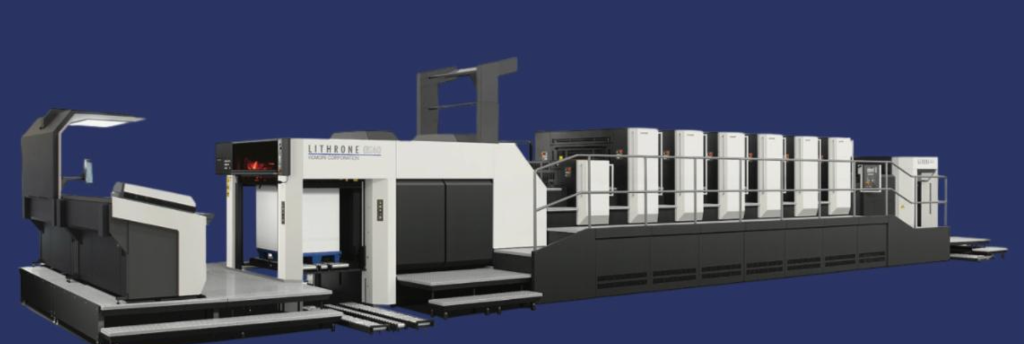
Industrial Offset Printing: Efficiency at Scale
For massive print runs, nothing beats offset printing. Discover how this traditional method remains the gold standard for high-volume efficiency.

Understanding Wide Format Printing for Marketing Materials
Big ideas need big prints. Dive into the world of wide format printing for banners, signage, and vehicle wraps.

Optimizing Print Workflows for High-Volume Production
Time is money in production printing. Learn strategies to streamline your workflow from file submission to finishing.

Leave a Reply
Your email address will not be published. Required fields are marked *