
From rapid prototyping to end-use parts, 3D printing is reshaping industries. Learn how additive manufacturing is changing the game.
Additive manufacturing, colloquially known as 3D printing, has moved rapidly from the realm of hobbyist curiosity to the factory floor of paramount industries. By building objects layer by layer rather than cutting them out of a block (subtractive manufacturing), engineers are unrestricted by geometric limitations. This freedom is rewriting the rulebook for aerospace, automotive, and medical supply chains.
The immediate impact is in 'Rapid Prototyping.' A design can move from a CAD screen to a physical model in hours. This iterative loop—design, print, test, redesign—allows companies to compress years of R&D into months. But the technology is now maturing into end-use production.
The Shift to Production
We are seeing jet engine nozzles printed as single units rather than 20 welded parts, reducing weight and failure points. We see custom dental aligners printed by the million perfectly unique to each patient.
- Digital Inventory: Instead of warehousing millions of dollars in spare parts, companies store files. A part is printed only when needed, effectively reducing inventory costs to zero.
- Material Science: It's not just plastic. Printers now work with titanium, inconel, carbon fiber, and even biological cells.
- Accessibility: Desktop industrial printers bring manufacturing capabilities to small businesses, decentralizing production power from massive overseas factories to local workshops.
This is the Fourth Industrial Revolution in action. 3D printing is not replacing traditional manufacturing but augmenting it, allowing for a level of customization and agility that mass production methods could never dream of achieving.

About James Wu
James is an industrial designer specializing in additive manufacturing and rapid prototyping workflows.
View all posts by James WuRelated News
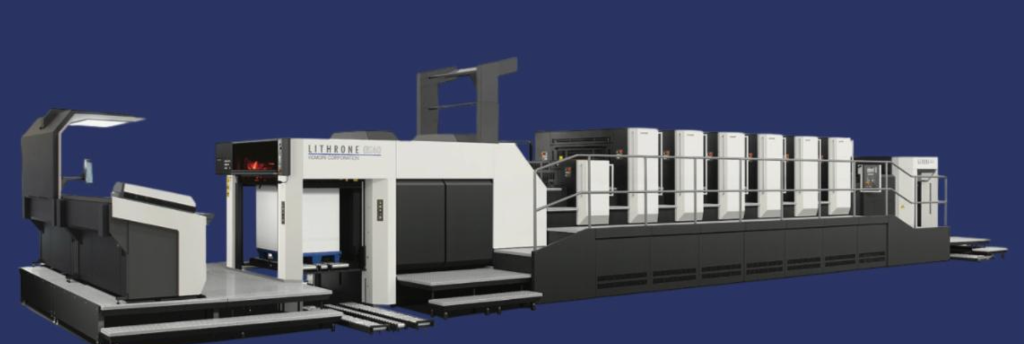
Industrial Offset Printing: Efficiency at Scale
For massive print runs, nothing beats offset printing. Discover how this traditional method remains the gold standard for high-volume efficiency.
The Future of Printing Technology: What to Expect by 2030
Printing is not dead; it's evolving. From bioprinting to smart packaging, we look at the trends defining the next decade of print.
Optimizing Print Workflows for High-Volume Production
Time is money in production printing. Learn strategies to streamline your workflow from file submission to finishing.

Leave a Reply
Your email address will not be published. Required fields are marked *